No Problem Pianist 88 Keys 10 Fingers Review
As a designer who has spent years navigating the fine line between digital files and physical stitching, I approach every new asset with a critical eye. The market is flooded with Graphics that look perfect on a screen but fall apart under the needle. Today, I am putting No Problem Pianist 88 Keys 10 Fingers to the test. This isn't just about downloading a file; it is about understanding how this specific design translates into a tangible, high-quality finished product for your craft business or personal projects.
The First Impression: Visual Weight and Personality
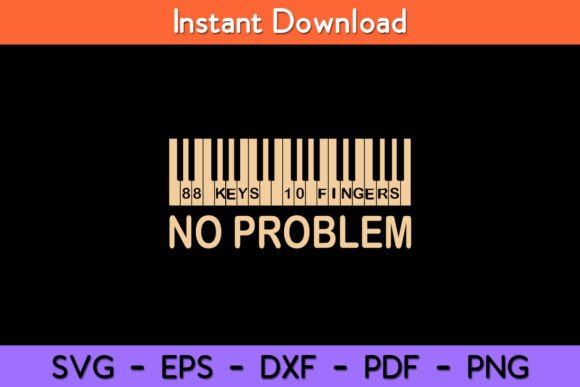
When I first opened the preview for No Problem Pianist 88 Keys 10 Fingers, the immediate reaction was one of playful confidence. The concept is straightforward yet effective: a pianist who is clearly overwhelmed but maintaining composure. For an embroidery project, visual clarity is paramount. The layout suggests a balance between the rigid geometry of piano keys and the organic chaos of ten fingers in motion. This contrast creates a strong focal point, which is essential when designing for custom apparel where the motif needs to be readable from a distance.
The mood here is humorous and relatable, making it an excellent candidate for a personalized gift. Imagine a music teacher receiving a tote bag featuring this design, or a student getting a sweatshirt before their recital. The humor acts as a conversation starter, instantly elevating the perceived value of the item beyond a simple piece of clothing. However, the real question remains: does the digital file hold up when converted into thread?
Testing the Design in Real-World Scenarios
To truly evaluate No Problem Pianist 88 Keys 10 Fingers, I visualized it across various substrates. In my mind's eye, I placed this design on a heavy cotton canvas tote bag. The sturdy fabric would support the weight of the thread, allowing the details of the keys and fingers to stand out without sinking into the weave. This is a classic use case for Crafts enthusiasts looking to create durable, functional art.
Next, I considered a fleece sweatshirt. Here, the challenge shifts to texture. The nap of the fleece can sometimes obscure fine lines. If the stitch density in the file is too low, the design might get lost in the fabric pile. Conversely, if the density is too high, the back of the garment could become stiff and uncomfortable. For a sweatshirt embroidery project, this design would likely require a generous amount of stabilizer to ensure the fill stitch areas lay flat and smooth against the soft material.
I also saw potential for this as an embroidered patch. Patches are forgiving because they are often backed with felt or foam, which helps maintain shape. A patch featuring No Problem Pianist 88 Keys 10 Fingers could be sewn onto a denim jacket, a backpack, or even a cap. The distinct black-and-white nature of piano keys translates well to the bold outlines typical of patches, ensuring the image pops against any background color.
Navigating Fabric Challenges and Placement
While the design is versatile, there are specific scenarios where caution is required. Thin fabrics like chiffon or lightweight rayon are risky choices. The tension required to stitch the intricate finger details could cause puckering, distorting the "No Problem" message. Similarly, stretchy knits demand careful hoop placement and the right stabilizer to prevent the design from warping after washing.
Curved surfaces present another hurdle. Placing this design on a standard baseball cap requires a specialized cap hoop and a design that accounts for the curve. If the piano keys are too close together or the fingers have tiny gaps, the curvature might cause threads to bunch up or break. Always check the hoop size compatibility before attempting to embroider on curved items. If the file is not specifically optimized for caps, the result may lack the crispness needed for professional commercial embroidery.
Technical Considerations for the Designer
Before committing to a client order or listing this on Etsy, you must perform due diligence. Since the source description mentions this is an SVG design intended for cutting machines like Cricut and Silhouette, it is crucial to verify if a dedicated machine embroidery design file (such as .PES, .DST, or .JEF) is included. An SVG file alone cannot be stitched by an embroidery machine; it is primarily for vinyl or heat transfer applications.
If you are using this as a template to create your own digital embroidery file, pay close attention to the node count. Complex shapes with many nodes can lead to excessive trims and jumps during stitching, wasting time and thread. Simplify the vector paths where possible to ensure smooth running stitch and satin stitch execution. The fingers, in particular, need clean, continuous lines to avoid jagged edges in the final handmade product.
Color selection is another vital step. While the original concept relies on black and white keys, consider how different thread colors will interact with the fabric. On a dark navy sweatshirt, white thread for the keys offers high contrast, but on a light grey tee, you might need a darker shade to make the design legible. Always create a printable mockup in both black and white to test visibility before purchasing expensive thread.
Business Value and Customer Perception
For the Etsy seller or small shop owner, the success of a product often hinges on its presentation and uniqueness. No Problem Pianist 88 Keys 10 Fingers offers a niche appeal that targets music lovers specifically. This specificity builds trust with your audience; they see that you understand their passion. When customers receive a holiday gift or a personalized item that resonates with their identity, their engagement and likelihood to return increase significantly.
However, professionalism matters. If the stitching is messy, the design pulls the fabric, or the colors bleed, the brand reputation suffers. Ensuring that the stitch density is appropriate for the chosen fabric and that the applique design techniques (if used) are flawless is non-negotiable. A well-executed version of this design signals quality craftsmanship, justifying a higher price point in your craft business.
Final Verdict and Practical Steps
No Problem Pianist 88 Keys 10 Fingers is a promising asset with strong visual personality and clear application potential. It fits naturally into categories like nursery decor, kitchen towels for music teachers, and boutique merchandise. Yet, its success depends entirely on the execution. Do not skip the test run. Stitch a sample on scrap fabric that matches your intended project material. Check for skipped stitches, thread breaks, and overall clarity.
Verify the licensing terms carefully. Ensure you have the rights to sell finished goods made with this design, especially if you plan to scale production for a small shop product line. If the file is only for personal use, do not risk selling items derived from it. Once you confirm the technical specs and legalities, this design can be a delightful addition to your portfolio, bringing a touch of musical humor to your embroidery project lineup.