Mama Claus Svg: A Designer's Real-World Review
As a designer who has spent years turning digital concepts into tangible stitched goods, I approach every new file with a mix of excitement and skepticism. The holiday season is the most critical time for any craft business, and the quality of your design assets directly impacts your reputation. Recently, I pulled up the Mama Claus Svg to see if it holds up under the scrutiny of professional embroidery work. This isn't just about whether the lines are clean; it is about how the design translates from a screen to a sweatshirt, a tote bag, or a personalized gift that a customer will cherish for years.
First Impressions: Mood and Visual Personality
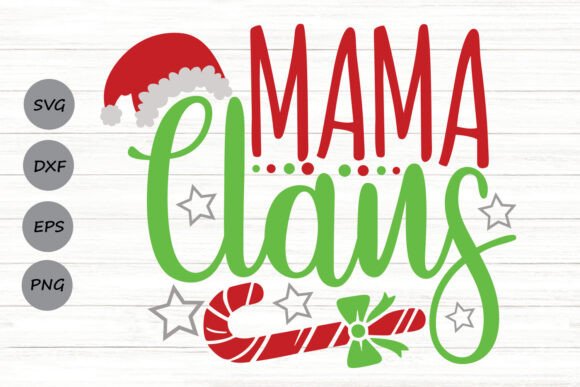
When you first open the Mama Claus Svg, the immediate feeling is one of warmth and playful charm. Unlike some overly complex holiday graphics that try to do too much, this design strikes a balance between festive detail and clear, bold shapes. It captures the essence of the "Merry Mama" vibe perfectly, making it an excellent candidate for custom apparel where personality matters. The layout suggests a design that works well as a standalone statement piece rather than a tiny accent. For an Etsy seller or small shop owner looking to create a cohesive holiday collection, this graphic offers a strong visual anchor.
The visual weight of the Santa hat and the accompanying text elements feels balanced. In the world of machine embroidery design, balance is everything. If a design is too top-heavy, it can distort on curved surfaces like caps. If it is too dense, it can pucker thin fabrics. The Mama Claus Svg appears to have enough negative space to allow for proper stitch density without overwhelming the fabric texture. This makes it a versatile asset for both personal projects and commercial embroidery ventures.
Testing the Design in Real-Life Scenarios
To truly evaluate this file, I imagined using it on a heavy-weight cream-colored sweatshirt for a boutique holiday drop. The goal was to create a premium-looking finished product that would stand out in a crowded market. When converting the SVG file into an embroidery format, the key consideration is how the lines translate into satin stitch or fill stitch. The curves of the hat brim and the typography need to be smooth to avoid jagged edges after stitching.
In a real-world scenario, such as creating a custom embroidered patch, the Mama Claus Svg shines. Patches require high contrast and distinct outlines, which this design provides naturally. Imagine attaching this patch to a denim jacket or a canvas tote bag design. The boldness of the image ensures that even from a distance, the "Mama Claus" message is clear. This level of recognition is crucial for handmade products sold at craft fairs or online, where customers often make quick decisions based on thumbnail images and mockups.
I also considered its use on baby items. Holiday nursery decor is a massive niche, and parents love personalized gifts. Using this design on a soft cotton onesie or a knit blanket requires careful attention to thread colors and stabilizer choice. The softer tones of the design could be adapted beautifully for baby embroidery, provided the stitch count is adjusted to prevent stiffness on delicate fabrics. The versatility of the file allows it to move seamlessly from rugged adult apparel to tender baby wear.
Navigating Challenges: Where Caution is Needed
While the Mama Claus Svg is robust, no design is perfect for every situation. As a reviewer, I must point out where this specific graphic might struggle. First, consider small hoop sizes. If you attempt to shrink this design significantly for a cap or a small pocket placement, the details may become lost. Tiny lettering within the "Merry Mama" text could merge into a blob if the stitch density is not carefully managed. Always check the minimum recommended size before committing to a small project.
Texture is another factor. On highly textured fabrics like thick cable knits or looped fleece, the intricate parts of the Santa hat might not lay flat. The fabric bumps can interfere with the needle path, leading to skipped stitches or uneven coverage. In these cases, a heavy-duty stabilizer is non-negotiable. Similarly, on dark fabrics, the design requires a backing layer or a specific thread color palette to ensure visibility. Without proper contrast, the charm of the design fades, reducing the perceived value of the finished product.
Another area of concern is stretchy fabric. Embroidery adds tension, and if the Mama Claus Svg is placed on a jersey tee or a spandex blend without adequate support, the garment can warp over time. This is a common pitfall for beginners. Always test the design on scrap fabric that mimics your final material. Check how the threads react after a wash cycle. If the design pulls or distorts, it is better to adjust the digitization or choose a different application method, such as an applique design overlay, to protect the integrity of the garment.
Practical Notes for the Professional Maker
For those of you running a craft business or selling digital product previews, here are my practical notes on utilizing this file effectively. First, never skip the test run. Stitch the design on a scrap piece of your intended fabric to verify the stitch density and thread flow. Look closely at the corners and sharp angles; these are often the first places to fail during production.
Second, think about your licensing. While the product description states these files are ready for cutting machines and various programs, always confirm the terms regarding commercial use. Are you allowed to sell the finished embroidered items? Can you resell the digital file itself? Clarity here protects your brand consistency and buyer trust. Misunderstanding a license can lead to legal headaches that no small shop product line can afford.
Third, experiment with thread colors. The default black and white mockup might look fine, but does it pop in red and gold? Or perhaps a modern sage green and cream palette? Changing the thread colors can completely alter the mood of the Mama Claus Svg, making it suitable for different target audiences. Use printable mockups to visualize these changes before purchasing expensive thread cones.
Finally, remember that the success of your holiday embroidery project depends on more than just the file. It relies on your execution. Use the right stabilizer, hooping technique, and needle type. Whether you are creating a kitchen towel, a pillow cover, or a limited-edition sweatshirt, the care you put into the process elevates the design from a simple graphic to a cherished handmade product.
Final Verdict on Commercial Viability
In conclusion, the Mama Claus Svg is a strong contender for your holiday design assets. It offers the right mix of humor, festivity, and structural integrity needed for successful machine embroidery. It fits well within the Crafts category, serving as a reliable tool for designers who want to produce high-quality, engaging holiday merchandise. However, its success ultimately lies in your hands. By respecting the limitations of fabric, hoop size, and stitch density, you can turn this digital file into a physical masterpiece that customers will love.
For the creative entrepreneur, this design represents an opportunity to connect with buyers looking for something slightly different than the standard Santa Claus imagery. It speaks to the "Mom" demographic directly, adding a layer of personalization that drives sales. If you take the time to prepare properly—testing, stabilizing, and planning your color story—the Mama Claus Svg can become a staple in your winter collection, driving engagement and building your reputation as a maker of quality, thoughtful goods.